Preparing for your first orthodontist consultation
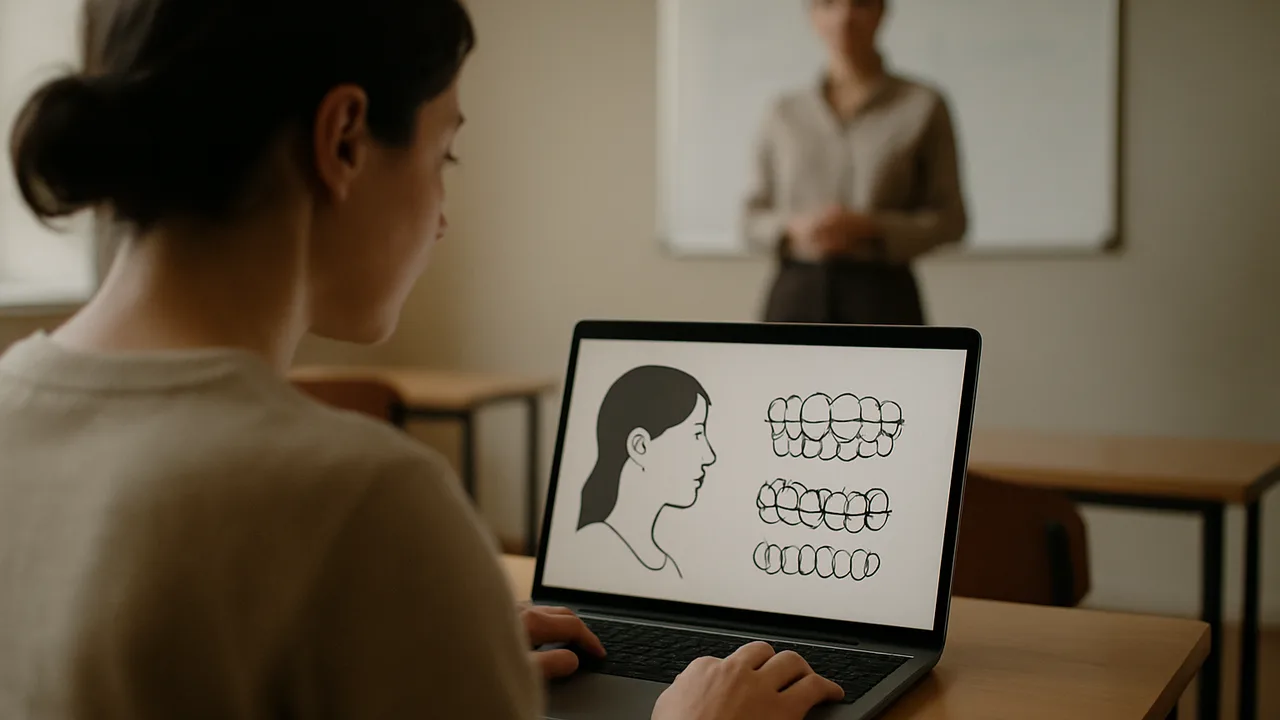
What happens during a first orthodontist visit
Your first orthodontist consultation is mostly about gathering information and getting to know each other. It usually lasts between 30 and 60 minutes, and there is no obligation to start treatment on the day. The visit typically begins with a short conversation about why you came: perhaps you have noticed crowded teeth, a gap you dislike, jaw discomfort, or your dentist recommended an assessment. Being honest about your goals helps the orthodontist tailor their advice.
After this discussion, the orthodontist examines your mouth, looking at how your teeth fit together when you bite, the alignment of your jaws, and the health of your gums. They may take photographs, X-rays, or digital scans to build a complete picture. Based on these findings, they will explain what they observe and outline possible approaches, whether that involves traditional braces, clear aligners, or simply monitoring over time. For children, the visit may also cover growth and whether treatment should begin now or later. By the end, you should have a clearer understanding of your situation, even if the full plan comes at a follow-up appointment.
Documents and information to bring with you
Arriving prepared makes the consultation smoother and helps the orthodontist give accurate advice. Bring your Carte Vitale and, if you have one, your complémentaire santé (mutuelle) details, since these affect how costs are handled in France. If your regular dentist referred you or has taken recent X-rays, ask for a copy or have them sent ahead, as this can avoid repeating examinations.
A short written list of your concerns and questions is genuinely useful; it is easy to forget things once the appointment begins. Note any relevant medical history, such as allergies, ongoing conditions, or medications you take regularly, because these can influence treatment choices. If you have had previous orthodontic work, mention it and bring any records you kept. For a child's appointment, a parent or guardian should attend and be ready to discuss the child's dental history and daily habits. Finally, bring the name and contact details of your general dentist so communication between practitioners stays coordinated throughout your care.
Key questions to ask about your treatment options
The consultation is your chance to understand the choices available, so do not hesitate to ask questions. A good starting point is to ask which treatment options suit your specific case, and why the orthodontist recommends one over another. Different approaches, such as metal braces, ceramic braces, or removable aligners, each have advantages and trade-offs in terms of visibility, comfort, and daily routine.
Ask what results you can realistically expect and what the treatment can and cannot correct. It is also worth asking about the level of commitment each option requires: some aligners must be worn around 22 hours a day, while fixed braces stay in place but need careful cleaning. Enquire about how each option might affect eating, speaking, and sports. If you play a wind instrument or a contact sport, mention it. You may also want to ask what happens if you damage an appliance or miss an appointment. Clear answers now help you choose an approach you can genuinely stick with, which matters more than any single feature.
Understanding examinations, X-rays, and impressions
To plan treatment accurately, the orthodontist needs a detailed view of your teeth, roots, and jaws. The clinical examination covers how your upper and lower teeth meet, whether there is crowding or spacing, and the condition of your gums and existing dental work. This hands-on assessment is quick and painless.
X-rays reveal what cannot be seen from the surface, such as the position of tooth roots, unerupted teeth, and the relationship between the jaws. A panoramic X-ray gives an overall view, and sometimes a side profile image is taken to study jaw alignment. Impressions or digital scans record the exact shape of your teeth so that appliances or aligners can be made to fit. Traditional impressions use a soft putty in a tray, which can feel slightly uncomfortable for a moment but is harmless. Many practices now use digital scanners, a small wand moved around the mouth, which is more comfortable and produces a 3D model on screen. Together, these records let the orthodontist design a precise, personalised plan.
Discussing timelines, appointments, and daily care
Understanding the rhythm of treatment helps you decide whether it fits your life. Ask roughly how long treatment is expected to last; many cases run between twelve and twenty-four months, though this varies widely depending on the complexity of the case. Remember that timelines are estimates, not guarantees, and they depend partly on how closely you follow instructions.
Find out how often you will need to come in for check-ups. Fixed braces often require adjustments every few weeks, while aligners may involve less frequent visits once you are into a routine. If you have a busy schedule, ask whether appointments can be arranged at convenient times and how long each typically takes. Daily care is a key part of success: with braces, thorough brushing and flossing around the wires takes extra effort, and certain hard or sticky foods should be avoided. With aligners, discipline in wearing them for the recommended hours and keeping them clean is essential. Ask what to do in case of discomfort, a loose bracket, or a lost aligner, so you feel confident handling small problems between visits.
How to talk about costs and payment arrangements
Discussing money openly avoids surprises later, and orthodontists are used to these questions. Ask for a detailed written estimate, called a devis, which should list the total cost, what is included, and any extras such as retainers after treatment. In France, orthodontic treatment for children under sixteen may be partially reimbursed by l'Assurance Maladie if the treatment is registered before the sixteenth birthday, while adult treatment is generally not covered by the state scheme. Your mutuelle may contribute in either case, so it is worth checking your policy beforehand.
Ask whether payment can be spread over the course of treatment, as many practices offer instalment plans. Clarify what the quoted figure covers and whether follow-up visits, repairs, or emergency appointments carry additional charges. If you are comparing options, request estimates for each so you can weigh cost against the treatment's demands and expected outcome. Do not let price be the only factor, but do make sure you understand the full financial commitment. A clear conversation now lets you plan your budget and start treatment with peace of mind.
Next steps after your initial consultation
Once the consultation ends, take a little time before committing. You may leave with a treatment proposal and estimate, but you are entitled to think it over and, if you wish, seek a second opinion. Reviewing the written plan calmly at home often brings new questions, which you can raise before deciding.
If you choose to proceed, the practice will arrange the next appointment to begin treatment or to complete any remaining records. Confirm the practical details: when appliances will be fitted, what preparation is needed, and who to contact with questions in the meantime. It can help to inform your general dentist that you are starting orthodontic treatment so your overall dental care stays joined up. Keep your devis, X-rays, and any documents in one place for future reference and for your mutuelle. Above all, make sure you feel comfortable with the orthodontist and confident in the plan. Feeling well informed and at ease is the best foundation for a treatment that may last many months.
Example
A quick checklist for your first orthodontist consultation
| Item | Why it matters |
|---|---|
| Carte Vitale and mutuelle details | Needed to understand reimbursement and billing |
| Referral or recent X-rays from your dentist | Avoids repeating examinations and speeds up planning |
| List of concerns and questions | Ensures you cover everything during the visit |
| Medical history and medications | May influence which treatments are suitable |
| Previous orthodontic records | Gives context on past treatment |
| Parent or guardian (for children) | Required to discuss history and consent |
FAQ
Do I need a referral from my dentist to see an orthodontist? In France you can usually book an orthodontist consultation directly, without a referral. However, if your dentist has already examined you or taken X-rays, sharing those records helps and may save time. Keeping your general dentist informed also ensures your overall dental care stays coordinated.
Will treatment start on the day of my first visit? Usually not. The first visit focuses on examination, records, and discussion. The orthodontist may need to study your X-rays and impressions before finalising a plan. You will often receive a proposal and estimate, then decide at a follow-up appointment whether to begin.
How much does orthodontic treatment cost in France? Costs vary widely depending on the case and the type of appliance. Ask for a written devis listing everything included. Treatment for children under sixteen may be partly reimbursed by l'Assurance Maladie if registered in time, while adult treatment is generally not covered by the state scheme. Your mutuelle may contribute, so check your policy.
Are the X-rays and impressions painful? No. X-rays are quick and painless. Traditional impressions using putty can feel slightly uncomfortable for a moment but cause no harm. Many practices now use digital scanners, which are more comfortable and create a 3D model of your teeth on screen.
Can I get a second opinion before deciding? Yes. You are free to take your written plan home, consider it, and consult another orthodontist if you wish. Feeling confident and well informed about your treatment choice is important, especially since orthodontic care can last many months.
Read next
Read more